Voice that holds the conversation
We design and build voice systems
that move the task forward.
Built to listen, adapt and act.
Inside the voice runtime
CallerWaiting for the caller…
AssistantListening…
Execution layers One shared clock
Inspect this moment
Ready to listen.Play a turn, or scrub to inspect the work at any point.
- Request
- Change the appointment
- Context
- Afternoon preferred
- Caller / audio
- Initial request → Revision
- Streaming STT
- Partials → Update
- Memory
- Prefetch → Reconcile
- Affect
- Prosody + text → Reassess
- Prompt / tools
- v1 prompt → v2 prompt
- Model / action
- v1 → v2
- Speech / surface
- Stream reply
Waiting for the caller…
Listening…
- Request
- Awaiting input
- Context
- Queued
- Revision
- Queued
Relative timing, slowed for inspection. Bars share one clock; overlaps show concurrent work.
Play a turn, or scrub to inspect the work at any point.
Voice experiences
that keep it real.
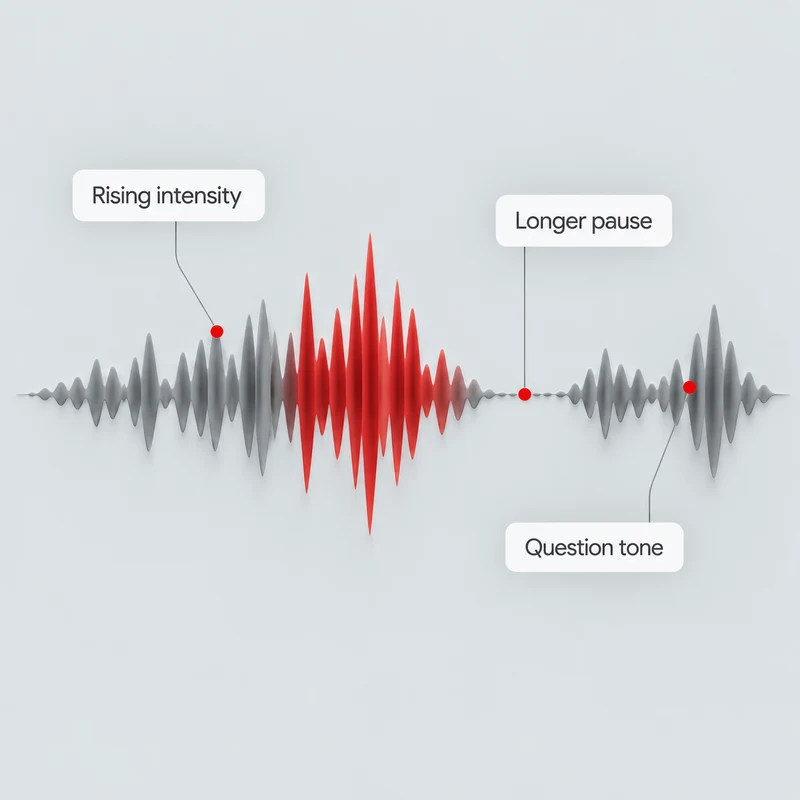
Emotion sensing
Use tone and context to guide the response.
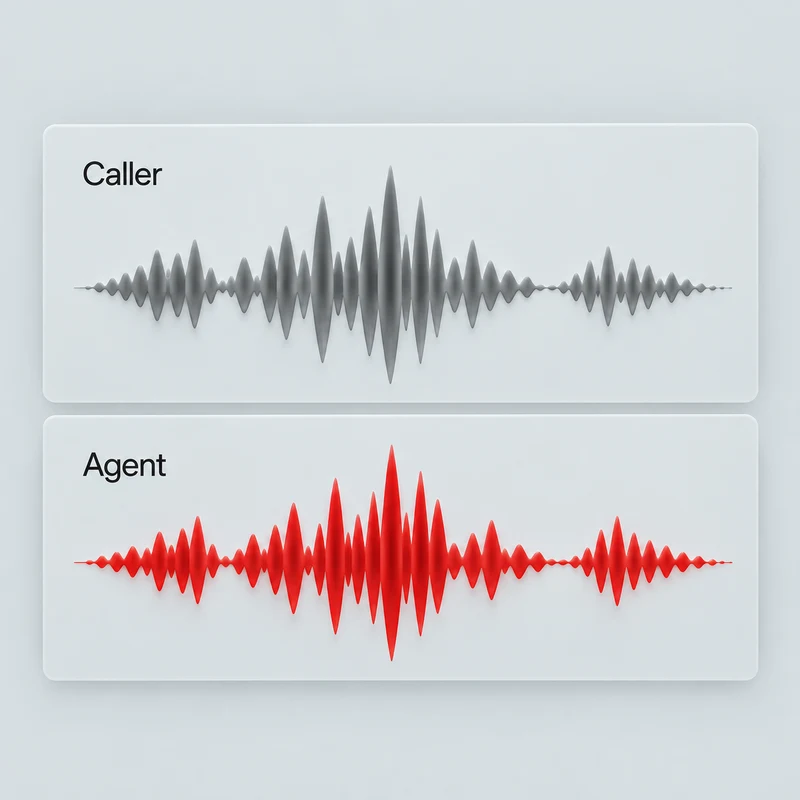
Persona mirroring
Adapt pace and formality within a consistent identity.
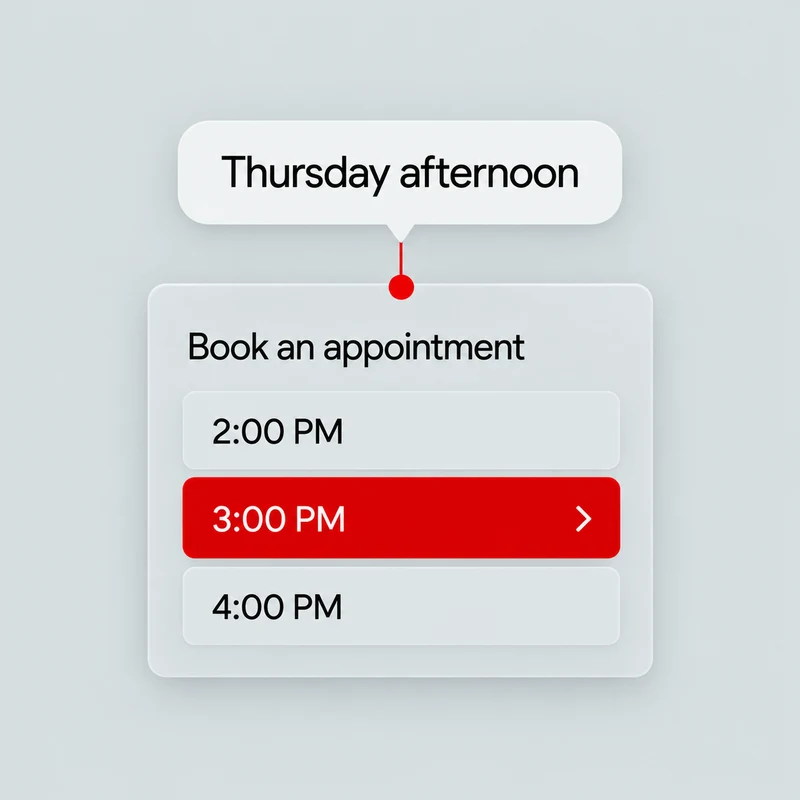
Adaptive visual UI
Bring the right card or form into the conversation.
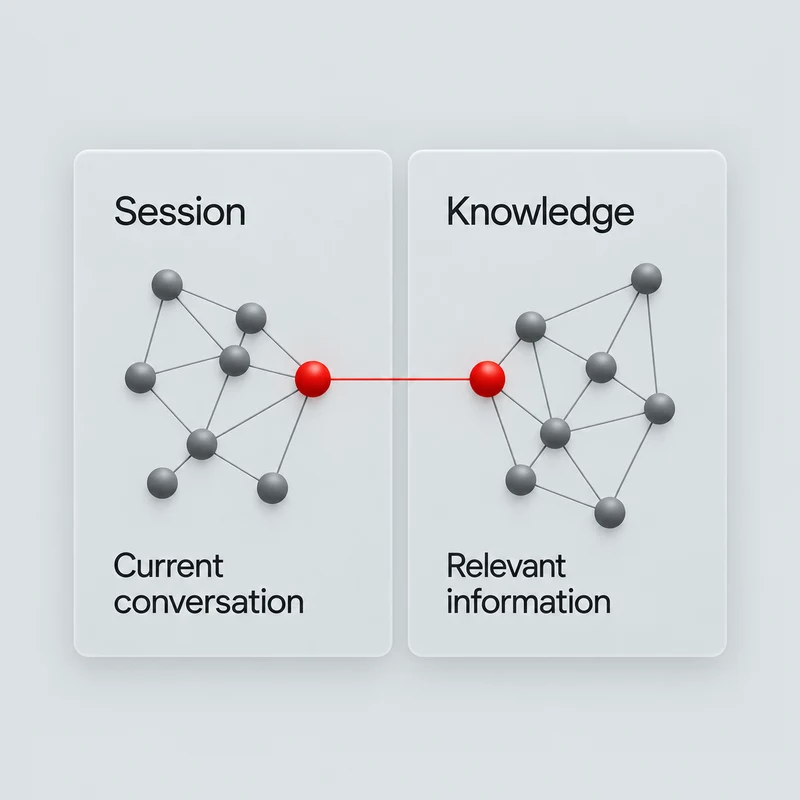
Dual graph memory
Keep session context connected to relevant knowledge.
Built for conversations
with something to do.
Appointment booking
Book a visit. Details captured as you speak.
Property enquiry
Qualify a buyer. Shape a shortlist.
Table reservation
Take a booking. Hold the details that matter.
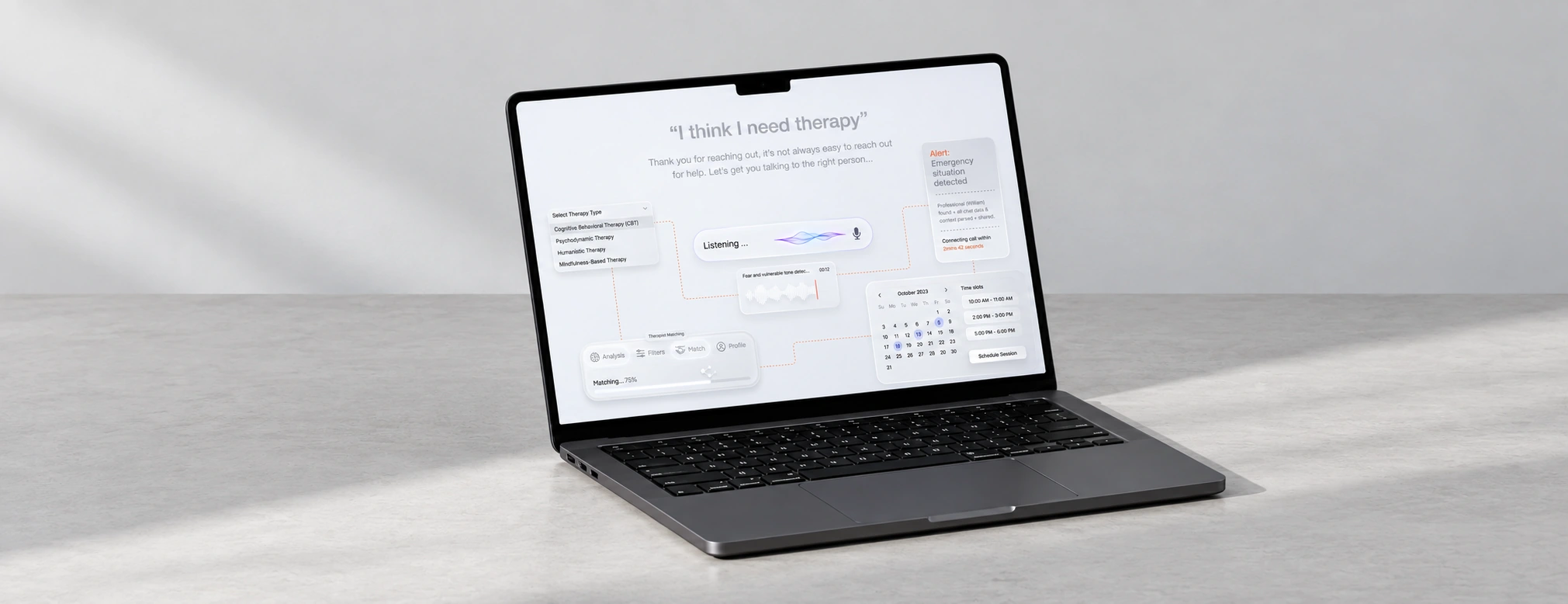
A more human way
to book care.
Voice intake, therapist matching and appointment booking, brought together in one conversation.
View case studyVoice AI / Questions
Frequently asked
What kind of voice AI does Nester Labs build?
Production voice agents that handle real calls: intake, triage, scheduling, booking and routing. Each system is designed around turn-taking, interruption, silence and escalation, so the conversation moves the task forward.
How fast do your voice agents respond?
The pipeline is designed for sub-second end-to-end latency, with smart turn detection and barge-in handling so callers can interrupt naturally and the agent yields.
Can your voice agents detect emotion?
Yes. Emotion sensing weighs audio prosody with text sentiment to catch frustration, hesitation and distress. Persona mirroring then adapts tone, pace and formality to each caller, and escalation paths hand the call to a person when needed.
Which voice and model providers do you work with?
Speech and telephony including Deepgram, ElevenLabs, Whisper, Cartesia, Resemble, LiveKit, Pipecat and Twilio. Models from OpenAI, Anthropic, Google, DeepSeek and xAI. Memory layers with Zep, Graphiti, Neo4j, Mem0, Postgres and MongoDB.
Can you build voice AI for regulated industries such as healthcare?
Yes. We build HIPAA-aware workflows with auditability, retention controls and governed escalation behaviour.